
Posted by LC250Mods on Dec 2nd 2025
2024+ Land Cruiser & GX550 Musty Smell After Rain — The Real Cause and the Permanent Fix
Introduction
The 250 Series Land Cruiser was an instant icon and has proven to be a competent off-roader that's full of character but even great cars are not exempt from growing pains. Like many vehicles in their first production year, the LC250 had a few issues that took some time to correct. Most notably the rear brake squeal, which drove many 250 owners nuts for months as Toyota worked hard to get the updated brake pads shipped out to dealerships around the globe. More recently, a growing number of complaints of a moldy or musty smell emanating from the cabin after a rainstorm or car wash seem to be surfacing on forums and Facebook groups. There has not been a widely published solution, until now.
In this article, we will share the usual symptoms of this issue, a few of the common misdiagnoses, a breakdown of exactly what causes it, and how to fix it for good.
Usual Symptoms
An increasing number of 2024 Land Cruiser & GX 550 owners have been seeking solutions to rid their vehicles of the musty odor that commonly fills the cabin after rainfall or going through a car wash. Many describe the smell as a “dirty socks” or “wet dog” smell with others saying it smells like mold. Many of these owners have stated the smell has been present since their first week of ownership. Owners claim the smell intensifies when the windows are rolled down. The smell typically dissipates after a bit of driving and does not seem to be as present on dry weather days. Additionally, windows rolled down even 3 or 4 days after a rainstorm are wet again when rolled back up.
Common Misdiagnoses
Unfortunately for many LC250 owners, this issue has not been easy to pin down and a number of dealerships have misdiagnosed it, believing the issue is one of the following. The issue we are addressing here is not:
- The cloth seats on the 1958 reacting to natural humidity
- Mold/bacteria growth on the evaporator coil
- A water leak from the roof rack bolts
- A faulty body seam on the roof
- Clogged sunroof drains
While these are all feasible issues that can occur on numerous makes/models, LC250 owners are reporting that even after having the AC evaporator cleaned, having the sunroof drains checked, and resealing their roof rack bolts, this issue persists during wet and rainy days.
The Actual Cause
In fact, this issue is fairly unique to the LC250 and our research led us to some interesting observations about the engineering behind the doors on this platform.
-
How most car doors work
Since the 1950s, the vast majority of car doors have utilized the same concept to address water ingress. This design employs a rubber seal or blade, which acts like a squeegee against the window to keep the majority of rainfall out of the door.
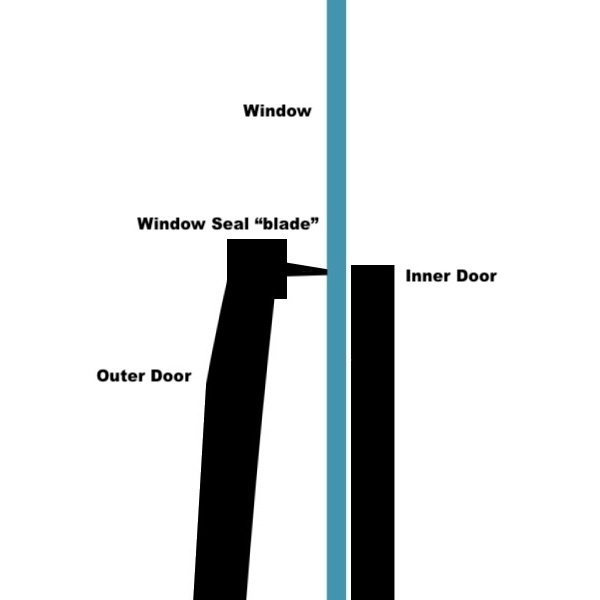
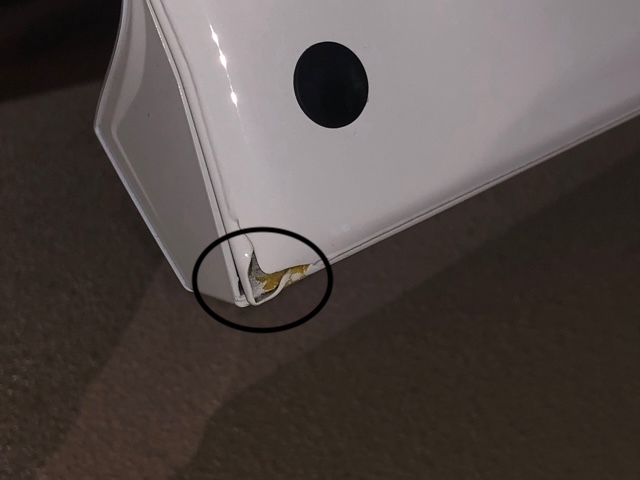
This prevents the door from being flooded with rainwater, but it is not 100% effective. Accepting that some water will slip past, the automakers place small weep holes at the bottom corners of the door, allowing this water to exit quickly.
-
Where the LC250 went wrong
On the 250 Series Land Cruiser & GX 550, engineers deviated from this design in an attempt to keep 100% of water out of the door. Instead of the rubber blade type window molding, this was replaced with a porous foam-type seal, in theory, catching and stopping all water from dripping into the door. The problem? It didn’t work.
-
Why it doesn't work
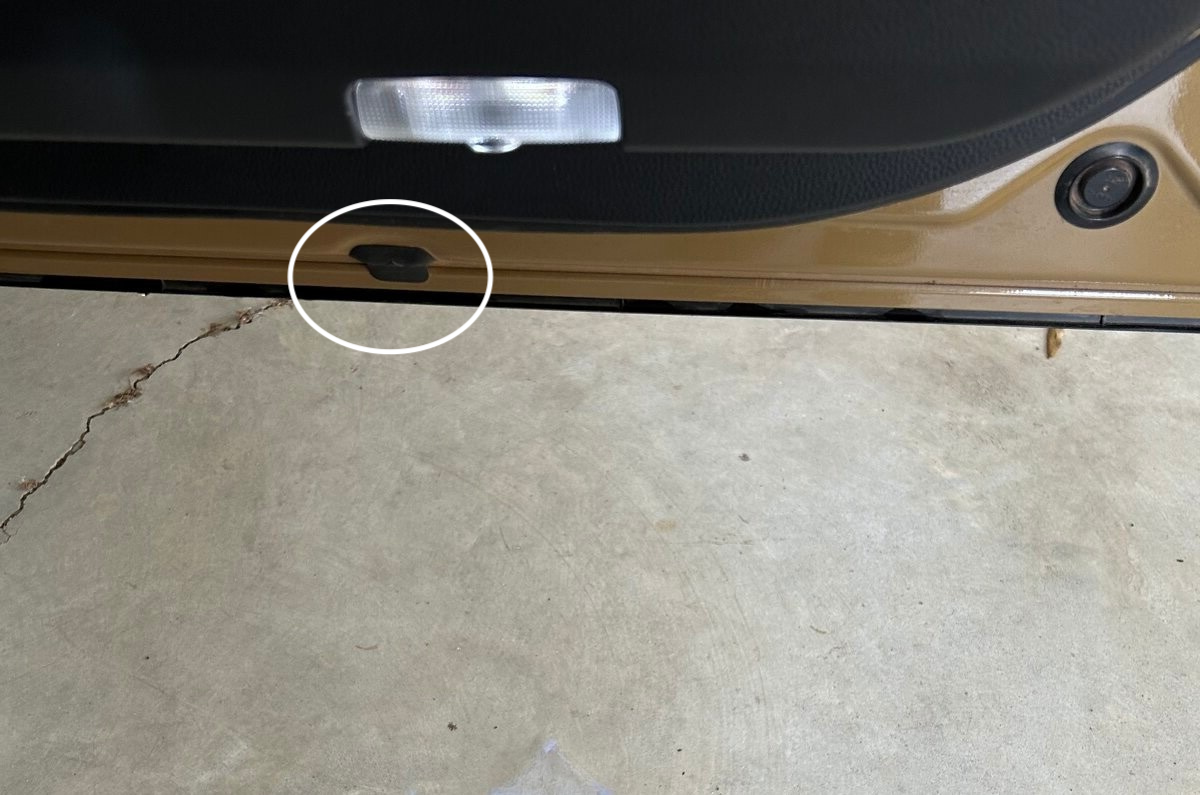
Instead, this seal or “belt molding” captures and holds water, quickly saturating the seal and creating an ideal environment for mold and bacteria to thrive. Toyota was confident this seal would work, so they also installed rubber plugs in the lower weep holes in the doors, meaning that once the water does eventually drain out of the absorbent seal, it falls into the door and stays there. Ultimately, this leads to a huge amount of moisture being stuck in the door with nowhere to go and an ideal breeding ground for organic growth.

How to fix it for good
The good news? Toyota is aware of the issue, even if many service advisors are not. Toyota has released redesigned door moldings that are made of the proper material to block but not absorb water, ultimately acting like a more traditional seal.
There have been a few Lexus GX 550 owners who have gotten their door moldings replaced under warranty with the new and updated parts. There are no reports of Land Cruisers getting the same treatment under warranty, though the parts are compatible with both models.
To fix this issue once and for all, we recommend:
1) Updating your outer window seals to the updated part numbers listed below.
| Location | Old Part # | New Part # |
|---|---|---|
| Front Left | 68172-60110 | 75712-60100 |
| Front Right | 68171-60120 | 75711-60100 |
| Rear Left | 68174-60100 | 75722-60130 |
| Rear Right | 68173-60100 | 75721-60130 |
2) Removing the drain plugs at the bottom of the doors, as water will still enter the door, and this is perfectly normal. Removing these gives the water a chance to drain out of the door.
By making both of these changes, your 250 series doors will behave like every other car door has for the past 70 or so years. Some water will enter, as expected, but it will not encounter any absorbent materials and will quickly drain out the lower drain holes.
Conclusion
We hope this article equipped you to tackle this issue once and for all and get back to enjoying your LC250. These trucks are the pinnacle of Japanese design and engineering and as with all new concepts, there will be occasional hiccups. With no concerns about mold growing in your doors, you can get back to doing what you love most in your Land Cruiser or GX 550. If you have any questions, please feel free to reach out! We’d love to hear from you.